
DOST LAUNCHES SMART MOBILE KITCHEN TO STREGTHEN CAMIGUIN’S DISASTER RESPONSE

Every disaster begins with saving lives. But once the immediate danger has passed and families are brought to safety, another urgent challenge follows, ensuring that evacuees have access to safe, nutritious, and freshly prepared meals.
For the Province of Camiguin, this challenge is all too familiar. As an island province shaped by the historic Mt. Hibok Hibok eruption and exposed to volcanic hazards, typhoons, heavy rains, landslides, and other natural disasters, emergency response often extends beyond rescue and relief. Damaged roads, disrupted electricity, limited cooking facilities, and rough sea conditions can make it difficult to prepare and distribute hot meals, particularly to geographically isolated communities and evacuation centers.
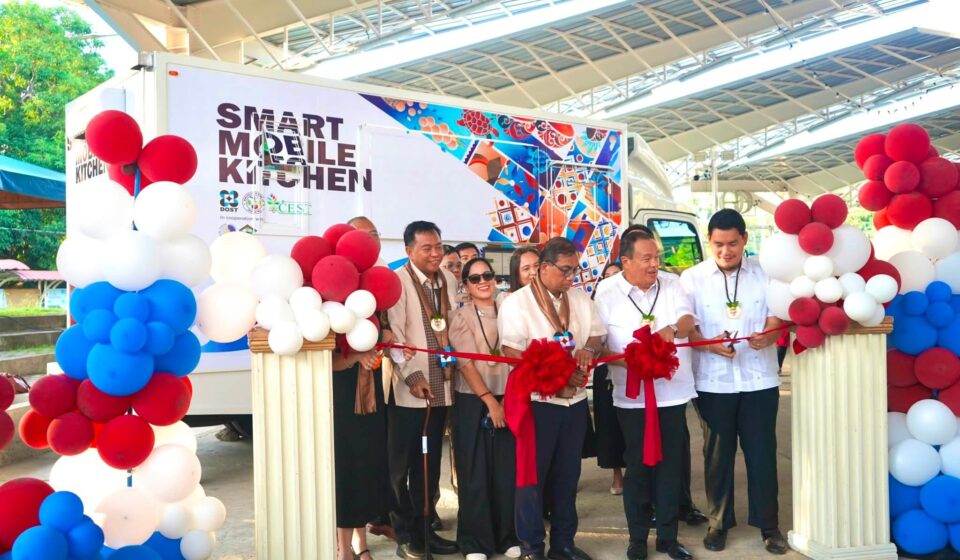
Recognizing these realities, the Department of Science and Technology (DOST), together with the Provincial Government of Camiguin, officially launched the Smart Mobile Kitchen, an innovation that strengthens local disaster preparedness by enabling responders to prepare and serve safe, nutritious, and freshly cooked meals wherever they are needed.
The launch formed part of the commemorative program honoring the historic Mt. Hibok Hibok eruption, highlighting how the lessons of the past continue to inspire science based solutions that protect lives and build more resilient communities.
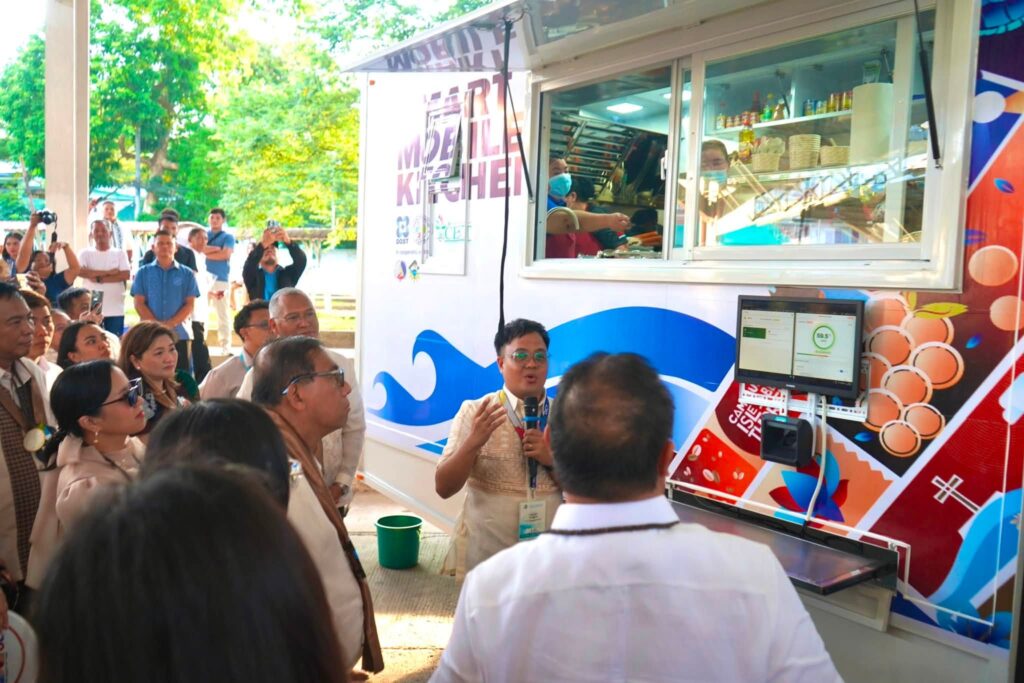
The Smart Mobile Kitchen is a fully equipped mobile food preparation facility designed for rapid deployment during disasters, emergencies, and humanitarian operations. Built inside a specially configured vehicle, it can be mobilized to evacuation centers, temporary shelters, and remote communities where conventional kitchens may no longer be functional because of damaged infrastructure, flooding, or prolonged power interruptions.
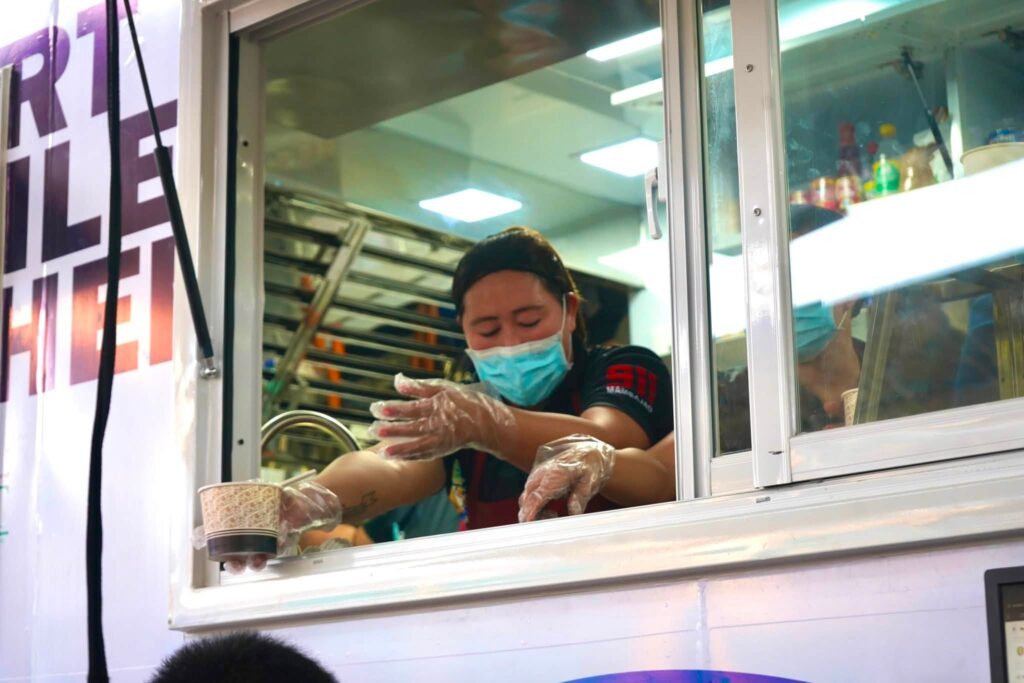
Unlike conventional relief operations that primarily distribute canned goods and ready to eat food packs, the Smart Mobile Kitchen enables emergency responders to prepare hot, freshly cooked meals on site. This allows affected families to receive nutritious food that supports their health and well being during one of the most difficult periods of their lives.
Beyond addressing hunger, access to properly prepared meals plays a critical role in protecting public health during emergencies. Freshly cooked and nutritious food helps reduce the risk of foodborne illnesses, supports the nutritional needs of vulnerable groups, and provides comfort and dignity to families who have been displaced from their homes.
The innovation is especially important for children, older persons, pregnant and lactating women, persons with disabilities, and individuals with medical conditions who require balanced and safe meals while staying in evacuation centers.
For an island province like Camiguin, where transportation can be disrupted by severe weather and rough seas, having a mobile kitchen that can immediately operate within affected communities significantly enhances the capability of local responders to deliver timely and efficient food assistance without depending solely on food prepared elsewhere.
To ensure that the Smart Mobile Kitchen can be effectively utilized during emergencies, the DOST Food and Nutrition Research Institute (DOST FNRI) will provide specialized training for personnel from the Provincial Government of Camiguin and local responders. The training will cover food safety and sanitation, nutrition in emergency situations, menu planning for disaster affected populations, large scale meal preparation, proper handling and storage of food, and the efficient operation and management of the mobile kitchen during disaster response.
By combining appropriate technology with technical capacity building, DOST ensures that the Smart Mobile Kitchen is not only equipped with modern facilities but is also operated by trained personnel capable of delivering safe, nutritious, and quality meals even under the most challenging conditions.
As disasters become more frequent and increasingly complex because of climate related risks and other natural hazards, investments in innovations such as the Smart Mobile Kitchen become essential components of disaster risk reduction and management. They enable local governments to respond more effectively while ensuring that humanitarian assistance reaches affected families quickly and efficiently.